You can access the distribution details by navigating to My Print Books(POD) > Distribution
Add a Review
Type:
Print Book
Genre: Literature & Fiction, Reference
Language: English
Price:
₹964
+ shipping
Description
CONTENTS
Dhūrtasamāgama: Text, Adaptation, and Theatrical Practice 1
Introduction: The Two Lives of a Farce 1
1. Sources, Method, and the Limits of Evidence 1
2. Bibliographical Identity: Title, Publication, and Authorship 2
3. Jyotirīśvara’s Literary World: Historical Circumstances and Contested Evidence 2
4. “The First Maithili Play”: Meaning and Limits of the Claim 3
5. The Farce and Its Renewed Significance 4
6. From 1985 to 2020: The Social Making of a Performance Text 4
7. Dramatic Architecture: Eight Scenes, the Chorus, and Presence 5
8. Scene One: Metatheatre and the Stage’s Own History 6
9. Scene Two: The Kotwāl, the Staff, and the Violence of Authority 6
10. Scene Three: Anaṅgasenā as the Decisive Centre, Not an Object 7
11. Scene Four: Alms, the Young Man, Mṛtaṅgara Ṭhākura, and Suratapriyā 8
12. Scene Five: The Dream-Beauty and the Rivalry of Desire 8
13. Scene Six: The Court of Asajjāti Miśra and the Dramatic Irony of Justice 9
14. Scene Seven: Claim, Debt, Violence, and Anaṅgasenā’s Refusal 10
15. Scene Eight: The Speech of Resistance and Public Justice 11
16. The Dramaturgy of Song: Narration, Sound, and Social Satire 12
17. Anthology of Quotations: The Songs Examined and Their Interpretation 12
17.1. Internal Satire of the Religious Disguise 13
17.2. The Kotwāl’s Roar 13
17.3. Anaṅgasenā’s Entrance Song 13
17.4. The Guru and Disciple’s Hypocritical Song of Alms 14
17.5. Alms and the Unequal Relationship to “Woman” 14
17.6. Asajjāti Miśra’s Song of Justice 14
17.7. Public Welfare in the Epilogue 15
18. Analysis of Dialogue: Utterance, Character Position, and Implication 15
19. Character Study: Viśvanagara—Profane Desire in a Sacred Guise 16
20. Character Study: Snātaka—An Equal Rival Beneath the Disciple’s Disguise 16
21. Character Study: Anaṅgasenā and Suratapriyā—Differences in the Female Gaze 17
22. Character Study: Asajjāti Miśra, the Vidūṣaka, and Mūlanāśaka 17
23. Supporting Characters: Naṭī, Sūtradhāra, Kotwāl, the Young Man, and Mṛtaṅgara Ṭhākura 18
24. The Interrelationship of Humour, Irony, Satire, and Compassion 18
25. Language, Style, and Contemporary Maithili Registers 19
26. Indigenous Humour and Its Relation to Popular Theatre 19
27. The Critique of Religion in the Play: Faith and Hypocrisy 20
28. Justice in the Play: Procedure, Prejudice, and Conflict of Interest 20
29. Gender, the Gaze, and Female Autonomy: An Indispensable Critical Condition 21
30. Names of Class, Caste, and Occupation: The Need for Careful Reading 21
31. Scenic Composition: Stage, Lighting, Costume, and Bodily Signs 22
32. Musical Composition and Sound Dramaturgy: Practical Proposals 23
33. Acting Method: Comic Timing, Pause, and Bodily Grammar 23
34. Preservation of the Original Plot and Assessment of Modern Alterations 24
35. Editorial Preparation and Textual Accuracy 24
36. The Work’s Contribution to the Documentation of Maithili Theatre 25
37. A Proposed Framework for Contemporary Revival 26
38. A Dramaturgical Conclusion: Rasa, Structure, and Theatricality 26
39. Overall Assessment: Achievement, Limitations, and Place in Literary History 27
40. Final Conclusion: Laughter That Asks Questions 27
Appendix 1. Sequence of Scenes and Critical Points 28
Appendix 2. Chronology of Ten Productions Recorded in the Book 28
Appendix 3. Characters and Their Dramatic Functions 29
Appendix 4. Evidentiary Basis and Levels of Verification 30
Appendix 5. Specific Questions for Future Research 30
Bibliography: The Book and Verified External Studies 31
Prabhāvatīharaṇa: Literary and Theatrical Analysis 32
Part One: A Comprehensive Literary and Theatrical Study 32
1. The Premise of the Study, Its Textual Basis, and Categories of Evidence 32
1.1 The Limits of Textual Evidence 32
2. The Physical Book and Its Editorial History 33
3. The Shared Theatrical World of Nepal and Mithilā 33
4. Date, Authorship, and the Discipline of Disagreement 34
5. From Manuscript to Printed Text: Questions of Textual Criticism 35
6. The Three-Act Plot: A Close Examination of Narrative Sequence 36
6.1 Act One: Invocation of the Theatre and the Seeds of Conflict 36
6.2 Act Two: Love Before Union, Mediation, and the Secret Meeting 36
6.3 Act Three: From the Expansion of Love to Battle and Kingship 37
7. A Play within the Play: The Significance of the Rāmāyaṇa Performance 38
8. Plot Architecture: Movement, Obstruction, and Resolution 38
9. Interpretation of Character: Love, Power, Statecraft, and Mediation 39
9.1 Prabhāvatī: The Expression of Desire and the Limits of Independence 39
9.2 Pradyumna: Warrior, Actor, and Lover 39
9.3 Haṃsī: The Principal Agent of the Entire Narrative 40
9.4 Vajranābha: Kingship, Artistic Taste, and Pride 40
9.5 Kṛṣṇa, Indra, and the Secondary Characters 41
10. Women's Experience, Dialogue among Companions, and the Politics of Marriage 41
11. The Dramatic Functions of Song: Singing, Narration, and Emotional Transformation 42
12. Rāgas, Rāginīs, and the Structure of Musical Drama 43
13. Rasa, Bhāva, Dhvani, and Aesthetic Evaluation 44
14. Language, Dialogue, and the Sanskrit-Maithili Relationship 45
15. Invocation, Sūtradhāra, Naṭī, Entrance Songs, and the Manner of Conclusion 46
16. The Geography of the Stage: Corners, Entrances, Exits, and Scenes 46
17. Acting, Bodily Language, Transformation, and Costume 47
18. Religion, Mythology, and Political Legitimacy 48
19. Poetic Achievements and Dramatic Limitations 49
20. Engagement with Recent Scholarship: Agreements and Disagreements 49
21. A Framework for Contemporary Production and Directorial Commentary 50
21.1 Playing Space: One Stable Base, Many Imagined Locations 50
21.2 Four Distinct Rhythms of Performance 51
21.3 The Handling of Music 51
21.4 'Dance the Rāmāyaṇa': Specific Directions for the Internal Play 52
21.5 The Bee's Entrance and Secret Love 52
21.6 Battle, Coronation, and Peace 52
22. An Indexed Inventory of Textual Evidence 53
23. Outstanding Research Questions and a Programme for Future Editing 54
24. Concluding Critical Judgement 55
Part Two: Close Criticism through Original Songs, Dialogue, and Scenes 56
25. Close Reading of the Original Text and the Method of Criticism 56
26. The Nāndī and the Opening of the Play: Gods, Artists, and Audience 56
27. From Prologue to Royal Panegyric: An Architecture of Language and Kingship 57
28. The Early Presence of Haṃsa and Haṃsī: Acting as Messengers and Control of the Plot 58
29. The Dawn Song of Act Two: The Dramatic Transformation of Time 58
30. Prabhāvatī and Haṃsī at the Lake: The Formation of Desire through Questions 59
31. Bhadra's Rāmāyaṇa: The Double Voice of a Play within the Play 61
32. The Flower Garland and the Bee: The Rhythm of Transformation 63
33. The Emotional Dialogue of Prabhāvatī and Pradyumna: The Duality of the Poet's Signature 64
34. Candrāvatī and Guṇavatī at the End of Act Two: A Collective Song of Lack 64
35. The Question of Act Three: From Secret Love to Public Crisis 65
36. The Three Couples: Symmetry and Inequality of Desire 66
37. Kaśyapa, Vajranābha, and Royal Duty: The Hermitage as a Voice of Resistance 67
38. Battle, Death, and Coronation: The Narrative's Ethical Dilemma 67
39. Śiva's Name, Bhagavatī, and the Bharatavākya: A Many-Formed Auspicious Conclusion 68
40. Standards of Textual Editing: What Does 'Correct' Mean? 69
Additional References: Engagement with Newer Research 70
Appendix A. Narrative and Scenic Map of the Three Performance Days 71
Day One: Introduction, Divine Purpose, and the Demon King's Court 71
Day Two: The Female Messenger, Love Before Union, the Actors' Disguise, and the Meeting 71
Day Three: Other Couples, the Rājasūya, Disclosure, Battle, and Resolution 72
Appendix B. A Practical Guide to Staging 72
Appendix C. Summary of Evidentiary Distinctions and Disagreements 73
Appendix D. Bibliography 73
Appendix E. The Original Songs and the Concordance of Seventy-Five Entries in the Song Index 74
Original Songs in the Order of the Three Performance Days 75
8.5 Science, Disaster, and Examinations 936
9. Limitations, Objections, and Possibilities of Rereading 936
9.1 The Density of Legal Information versus Narrative Freedom 936
9.2 The Expanding Network of Characters and the Plausibility of Their Connections 936
9.3 An Excess of Moral Agreement 937
9.4 Questions of Politics and Social Structure 937
9.5 The Genre-Specific Limits of 2027 as Future Time 937
10. Close Reading of Selected Passages 938
11. Critical Conclusion 939
12. Specific Questions for Future Research 939
Appendix 1: Map of All Forty Chapters 940
Appendix 2: Principal Concepts Used in the Critique 941
References and Basis of Fact-Checking 941
About the Author
Book Details
Publisher: Videha eJournal
Number of Pages: 995
Dimensions: 6"x9"
Interior Pages: B&W
Binding:
Hard Cover (Case Binding)
Availability:
In Stock (Print on Demand)
Ratings & Reviews
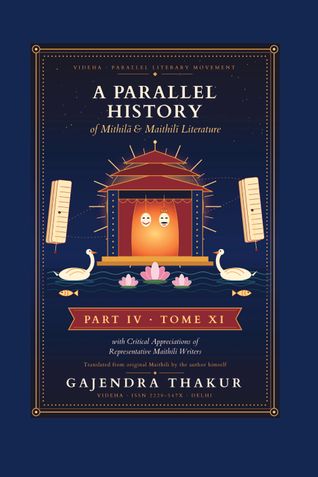
A Parallel History of Mithilā & Maithilī Literature PART IV · TOME XI
Review This Book
Write your thoughts about this book.

Currently there are no reviews available for this book.
Be the first one to write a review for the book A Parallel History of Mithilā & Maithilī Literature PART IV · TOME XI.
Other Books in Literature & Fiction, Reference
అనిల్ సి. ఎస్. రావు (Anil C. S. Rao)
Deepali

Elsy Joseph

Zerak Khan